Walking into a dojo for the first time is not about becoming dangerous.
It’s about becoming deliberate.
In a world addicted to speed and distraction, choosing repetition is radical. Choosing structure is rebellious. Choosing to be visibly bad at something again — at 25, 35, 45 — is courageous.
That’s where martial arts actually begin.
Why You’re Really Starting
You’ll say it’s for:
- Fitness.
- Self-defense.
- Curiosity.
Maybe.
But underneath, it’s usually this:
You want to feel solid.
In your body.
In pressure.
In conflict.
Martial arts reorganize your nervous system.
You learn to breathe while uncomfortable.
Move while afraid.
Think while under stress.
It’s psychology — with sweat.
Choosing the Art: Follow the Pull, Vet the Teacher
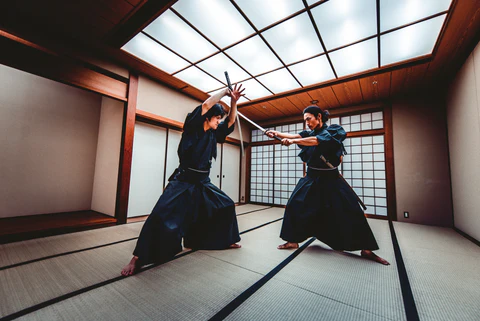
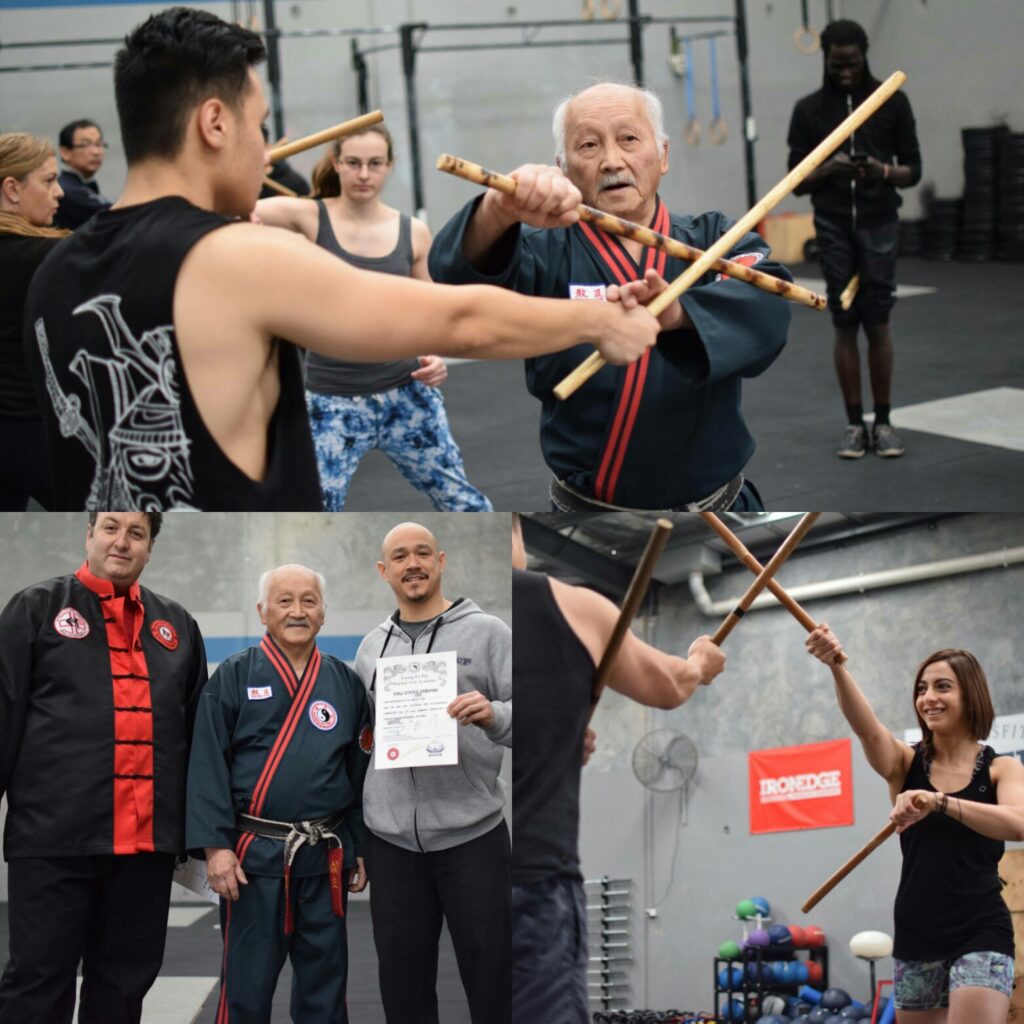
Whether it’s Kenjutsu, Balintawak Arnis, or Brazilian Jiu-Jitsu, two things matter.
1. The Pull
Sometimes a style just clicks.
You see a blade and feel precision.
You watch grappling and feel strategic tension.
You observe close-range stick work and feel sharp, alert, alive.
That attraction isn’t random.
It reveals temperament.
We’re often drawn either to what we are — or to what we need.
Listen to it.
2. The Teacher
Then test it against reality.
Find someone who:
- Corrects without humiliating.
- Pushes without breaking.
- Demonstrates calm instead of ego.
Style inspires you.
Teacher shapes you.
Both matter.
The First Months (A Reality Check)
You will feel:
- Uncoordinated.
- Slow.
- Awkward.
- Sore in spiritual places.
Good.
Your fantasy of competence is dissolving.
Your body is learning.
In the beginning, you’re not learning to fight.
You’re learning:
- How to stand.
- How to breathe.
- How to pay attention.
Foundations are invisible — until they’re unshakable.
Discipline Before Freedom
Here’s the paradox.
You repeat the same movement hundreds of times.
You isolate.
Refine.
Deconstruct.
It feels mechanical.
Then one day — it isn’t mechanical anymore.
The body moves before the mind narrates.
Reaction becomes instinct.
Technique becomes expression.
Freedom appears.
But only because discipline was built first.
(Musicians, this should sound familiar, right?)
What Martial Arts Actually Teach
Stay long enough and you’ll learn:
- How to enter conflict without emotional collapse.
- How to receive correction without ego defense.
- How to lose without losing yourself.
- How to be soft and dangerous at the same time.
That combination is rare.
And it transfers everywhere.
Music.
Business.
Relationships.
Leadership.
Crisis.
If You’re Hesitating
Visit a school.
Bow in.
Commit for at least three months.
Ignore motivation. Show up consistently. Build rhythm.
The white belt is not a symbol of ignorance.
It’s proof that you were brave enough to start again.
And that — in adulthood — is a martial act in itself.
Cosmin